
The Importance of Skilled Nursing Care Benefits at Home
When health challenges arise, the comfort of home becomes more important than ever. You want to feel safe, supported, and cared for in a familiar environment. That is why skilled nursing care benefits delivered right in your home can make a profound difference. This personalized approach to healthcare not only supports recovery but also promotes independence and peace of mind.
Skilled nursing care at home offers a unique blend of professional medical support and the warmth of a personal setting. It helps you or your loved ones manage complex health needs without the stress of frequent hospital visits or long-term facility stays. Let’s explore why this form of care is so valuable and how it can enhance quality of life.
Understanding Skilled Nursing Care Benefits
Skilled nursing care benefits extend far beyond basic assistance. This type of care involves highly trained nurses who provide medical services tailored to your specific health conditions. Whether you are recovering from surgery, managing a chronic illness, or need rehabilitation, skilled nursing care offers:
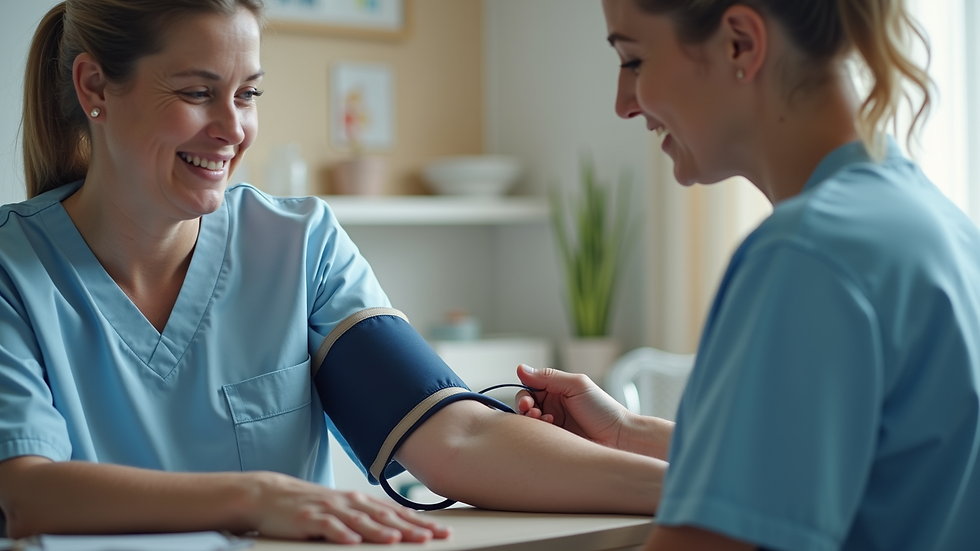
Medical monitoring and assessment: Nurses regularly check vital signs, medication effects, and overall health status.
Wound care and management: Proper treatment of wounds to prevent infection and promote healing.
Medication administration: Ensuring medications are taken correctly and on time.
Therapeutic treatments: Including physical, occupational, and speech therapy support.
Patient and family education: Teaching how to manage health conditions and use medical equipment safely.
These benefits help reduce hospital readmissions and complications. They also provide reassurance that professional care is always available, right where you live.
What is an in-house skilled nursing facility?
An in-house skilled nursing facility typically refers to a dedicated healthcare environment within a residential or assisted living setting. These facilities provide round-the-clock nursing care for individuals who require continuous medical attention but do not need hospitalization. They are designed to offer a balance between medical support and a homelike atmosphere.
Unlike traditional nursing homes, in-house skilled nursing facilities often focus on rehabilitation and short-term care. They serve patients recovering from surgery, strokes, or severe illnesses who need intensive nursing services before returning home. The staff includes registered nurses, licensed practical nurses, and certified nursing assistants who work together to deliver comprehensive care.
These facilities emphasize personalized care plans, ensuring that each resident’s unique needs are met with compassion and professionalism. They also coordinate with physicians and therapists to optimize recovery and maintain health.
How Skilled Nursing Care Supports Recovery and Independence
One of the greatest advantages of skilled nursing care at home is its role in supporting recovery while preserving independence. When you receive care in your own space, you maintain control over your daily routine and environment. This familiarity can boost emotional well-being and motivation, which are critical for healing.
Skilled nurses help you regain strength and function through tailored rehabilitation programs. They assist with exercises, mobility training, and managing medical devices. This hands-on support encourages gradual progress and reduces the risk of setbacks.
Moreover, skilled nursing care helps manage chronic conditions effectively. Nurses monitor symptoms, adjust care plans, and educate you on lifestyle changes that improve health outcomes. This proactive approach prevents complications and hospitalizations.
By combining medical expertise with personalized attention, skilled nursing care empowers you to live as independently as possible. It also provides family members with peace of mind, knowing that professional help is readily available.

Practical Tips for Choosing Skilled Nursing Care at Home
Selecting the right skilled nursing care provider is essential for a positive experience. Here are some practical tips to guide you:
Verify credentials and licensing: Ensure the nursing staff and agency meet state and federal regulations.
Assess experience and specialties: Look for providers with expertise in your specific health needs.
Check references and reviews: Speak with other patients or families to learn about their experiences.
Evaluate communication: Choose a team that listens carefully and keeps you informed.
Consider availability: Confirm that care can be provided when you need it, including evenings and weekends.
Discuss care plans: Make sure the provider offers personalized plans that adapt to your progress.
Review costs and insurance coverage: Understand what services are covered and any out-of-pocket expenses.
Taking these steps helps ensure you receive compassionate, competent care that supports your health goals.
Embracing the Comfort and Confidence of Care at Home
Choosing skilled nursing care at home means embracing a supportive environment where healing and comfort go hand in hand. It allows you to stay connected with your community, maintain your routines, and enjoy the privacy of your own space.
With professional nurses by your side, you gain confidence in managing your health. You can focus on recovery without the added stress of navigating unfamiliar settings. This approach fosters a sense of dignity and respect, which is vital for overall well-being.
If you or someone you care for is facing health challenges, consider the benefits of in home skilled nursing care. It is a compassionate choice that prioritizes your needs and helps you live life to the fullest.
By understanding the importance of skilled nursing care benefits and how they can be delivered in the comfort of home, you take a meaningful step toward better health and independence. The right care makes all the difference.


Comments